Family farms and individual farmers
Farmers who need relief from creditor demands and want to protect their land, equipment, and operation.
Our attorneys have a long history of serving farmers and agricultural businesses. Chapter 12 lets you keep farming or fishing while you repay creditors under a court-approved plan.
Once you file, creditors must stop foreclosure proceedings, cannot repossess equipment, and cannot contact you to demand payment. Filing may also allow you to use proceeds that would otherwise go to creditors to complete the farming or fishing season.
A trustee familiar with the agricultural industry oversees your case and works with you and your attorney to get a repayment plan approved, typically over three to five years. You continue to farm or fish and make annual payments under the plan. When you complete the plan, any debt not provided for in it is discharged.
Behind on land or equipment loans
A lender threatening foreclosure or repossession
A blanket crop lien dispute
A bad season that left you unable to pay creditors
Our attorneys have represented hog farmers, family farms, individual farmers, livestock operations, row crop operations, produce growers and packers, and other agricultural businesses.
Restructuring farm debt means looking beyond the loans. We consider how financing, government programs, and crop insurance affect your ability to structure a workable repayment plan, and we discuss your options in detail before anything is filed.
Farmers who need relief from creditor demands and want to protect their land, equipment, and operation.
Livestock, row crop, and produce operations, including growers and packers, that need to restructure debt.
Not sure which service fits your situation? Contact us and we will help you sort it out.
Request A ConsultationPreparing you for the process, filing your case, and getting your repayment plan approved.
Resolving disputes with lenders over liens on your crops and farm proceeds.
Negotiating loan terms with agricultural lenders.
Restructuring farm debt, inside or outside of bankruptcy.
Representation in disputes that arise during an agricultural bankruptcy case.
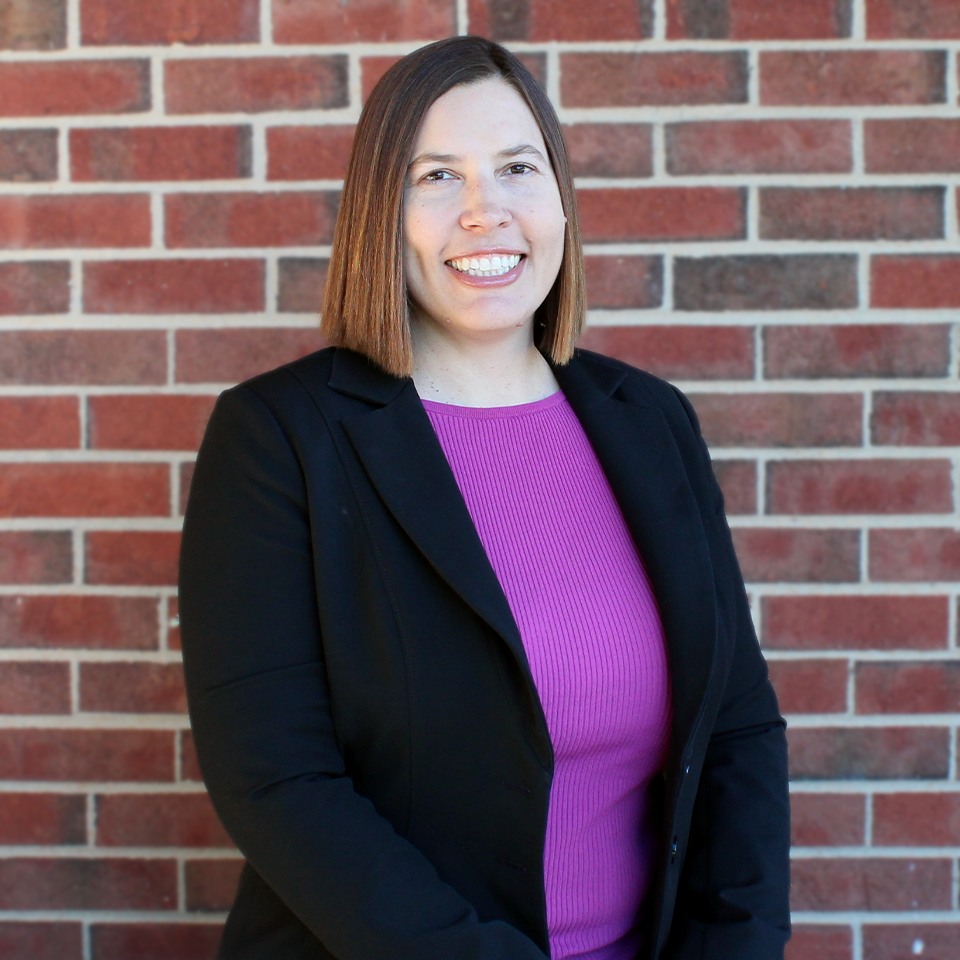
Board Certified Specialist in Business and Consumer Bankruptcy Law.
Laurie B. BiggsFounding Partner
View Full BioBring your loan and financing documents, any lien or foreclosure notices, recent farm income and expense records, and information about your land and equipment. We will let you know if we need anything else.
Call 919-375-8040 to scheduleThese answers are general information, not legal advice. Every situation is different, so talk with an attorney about yours.
Yes. You continue to farm or fish while you make payments under your court-approved plan.
Chapter 12 plans typically last three to five years.
Chapter 12 is designed specifically for family farmers and fishermen. It is generally simpler than Chapter 11, and plan payments can follow the seasonal income of a farming or fishing operation.
Schedule a consultation with one of our attorneys.